

What Digital Twins Actually Are
A digital twin isn’t just a 3D model or a fancy simulation. It’s a living, breathing digital replica of a real world system whether that’s a machine, a production line, or a network of sensors in a facility. These twins are built using data pulled directly from the physical asset, in real time, through the Internet of Things (IoT), sensor networks, and connected devices. Add advanced analytics, and you get more than just a copy you get a tool that reflects, predicts, and evolves alongside the real thing.
What makes digital twins different is their loop of constant feedback. They don’t just show what’s happening they help forecast what might happen next. You can test changes, flag faults before they cascade, and visualize how tweaks affect outcomes without shutting anything down. It’s control without finger crossing. For industrial players navigating complexity and cost, that’s the kind of visibility no spreadsheet or static model can deliver.
Real World Use Cases
Digital twins aren’t riding the hype wave they’re down in the trenches, quietly overhauling how industry actually works.
In manufacturing, digital twins are making production lines smarter and less prone to failure. Sensors feed real time data into virtual replicas, allowing teams to track bottlenecks, adjust processes, and minimize unplanned downtime. It’s like having x ray vision into every machine on the floor.
Energy companies are using them to get ahead of breakdowns. Instead of reacting to failure, operators are forecasting equipment wear and scheduling maintenance before things go sideways. This isn’t just proactive it’s cost cutting on a massive scale.
Aerospace firms are no longer gambling with costly trial and error testing. With digital twins, teams can simulate every variable, iterate designs faster, and identify failure points without ever touching fabrication tools. High risk once meant high stakes. Now, testing is lean, safe, and largely virtual.
In supply chain management, logistics models built on digital twins are helping operations respond faster to demand swings, transport disruptions, and supplier hiccups. You can plug in new variables and re route in minutes not days.
Explore more use cases of digital twins in industry
Driving Industrial Efficiency
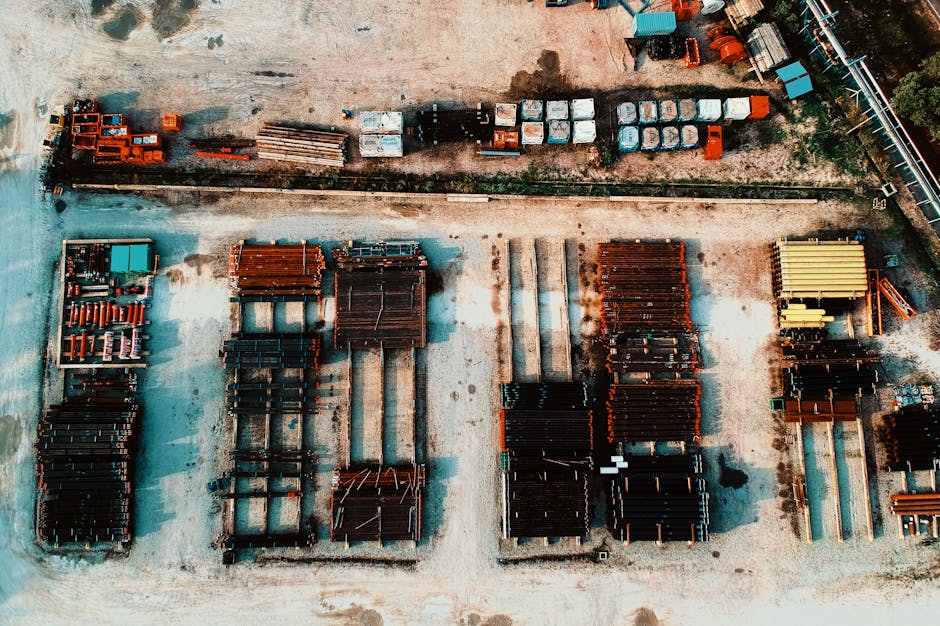
Digital twins are reshaping how industries monitor, maintain, and improve their physical operations. By creating real time, data rich replicas of physical systems, organizations are unlocking powerful operational benefits with long term ROI.
Predictive Maintenance: Saving Millions
One of the most valuable uses of digital twins is predictive maintenance. Instead of reacting to failures, companies can anticipate them often weeks or months in advance.
Continuously monitor equipment conditions
Use AI to detect anomalies and forecast failures
Schedule interventions before breakdowns occur
Result: Reduced unplanned downtime, extended asset lifecycles, and cost savings that can reach into the millions annually.
Micro Level Performance Insights
Digital twins provide a detailed, granular view of machine and process performance across the enterprise.
Visualize real time and historical data at every scale
Identify bottlenecks and inefficiencies within systems
Fine tune operations based on dynamic conditions
These micro level insights help businesses make smarter, faster decisions across engineering, production, and logistics.
Accelerated R&D Cycles
Prototyping in the physical world is time consuming and expensive. Digital twins allow real time testing of concepts before anything is built.
Rapid simulation of product and system designs
Evaluate performance across countless scenarios
Identify design flaws early in a virtual environment
Bottom line: Faster iteration, reduced material waste, and shorter time to market for innovations.
With these capabilities, digital twins aren’t just maintaining operations they’re actively driving industrial excellence.
Game Changing Impact on Innovation
Digital twins have gone beyond buzzword status they’re changing how industries build, test, and grow. Want to test a new plant layout without touching a single wrench? You can. Looking to stress test a system in extreme conditions without the risk? Done. By simulating changes before they’re real, companies save time, dodge costly mistakes, and operate safer.
But it’s not just about optimization anymore. New business models are emerging. Digital twin as a service is picking up speed, with tech firms offering real time system replicas on subscription. This lowers the entry barrier for smaller players and paves the way for scalable, customizable innovation.
There’s also a clear sustainability thread. Modeling resource usage accurately means cutting back on waste, energy, and inefficiencies. Industries can finally design with long term impact in mind because the data is now too precise to ignore.
Deep dive: How digital twins are streamlining industrial innovation
Where It’s Headed
Digital twins are moving past dashboards and diagnostics they’re getting a brain. Integration with AI is turning them from reactive monitors into proactive partners. Systems can now not only flag a potential failure but suggest the fix, run the test, and even reorder the part. Advanced analytics, machine learning, and large language models are weaving into the twin’s core, making them smarter with each data cycle.
But this tech isn’t stopping at machines. The next wave includes modeling human workflows: how shifts operate, how decisions get made, and where bottlenecks live in otherwise invisible processes. Entire workflows factory floors, logistics chains, even job training protocols are becoming digitized, testable, and improvable.
As their scope grows, digital twins stop being just another tool in the box. They become strategic assets. The companies using them for more than maintenance those embedding them in their innovation cycles, product design, and workforce planning are starting to pull ahead. Faster pivots, smarter experiments, fewer costly surprises. Digital twins are no longer just watching the machine. They’re helping run the business.
Final Perspective
Digital twins aren’t hype. They’re infrastructure.
The industries pulling ahead aren’t waiting for proof of concept anymore they’re already deploying digital replicas to see around corners, cut costs, and unlock flexibility no mechanical process could offer on its own. From predictive modeling to real time monitoring, digital intelligence is the new muscle.
Right now, the winning companies are the ones investing in this layer of insight. They’re not just improving the way things run they’re transforming how things are built, tested, and scaled. R&D becomes faster. Maintenance becomes smarter. Innovation becomes less risky.
And the best part? This isn’t a closed club. The path is wide open for whoever wants to move and move early. Build your mirror. Understand your system. Let data do what it’s meant to: guide action before failure, not after.
The edge is here for the taking. Just don’t wait for someone else to reflect first.
 Johner Keeleyowns writes the kind of device optimization techniques content that people actually send to each other. Not because it's flashy or controversial, but because it's the sort of thing where you read it and immediately think of three people who need to see it. Johner has a talent for identifying the questions that a lot of people have but haven't quite figured out how to articulate yet — and then answering them properly.
They covers a lot of ground: Device Optimization Techniques, Tech Concepts and Frameworks, Doayods Edge Computing Strategies, and plenty of adjacent territory that doesn't always get treated with the same seriousness. The consistency across all of it is a certain kind of respect for the reader. Johner doesn't assume people are stupid, and they doesn't assume they know everything either. They writes for someone who is genuinely trying to figure something out — because that's usually who's actually reading. That assumption shapes everything from how they structures an explanation to how much background they includes before getting to the point.
Beyond the practical stuff, there's something in Johner's writing that reflects a real investment in the subject — not performed enthusiasm, but the kind of sustained interest that produces insight over time. They has been paying attention to device optimization techniques long enough that they notices things a more casual observer would miss. That depth shows up in the work in ways that are hard to fake.
Johner Keeleyowns writes the kind of device optimization techniques content that people actually send to each other. Not because it's flashy or controversial, but because it's the sort of thing where you read it and immediately think of three people who need to see it. Johner has a talent for identifying the questions that a lot of people have but haven't quite figured out how to articulate yet — and then answering them properly.
They covers a lot of ground: Device Optimization Techniques, Tech Concepts and Frameworks, Doayods Edge Computing Strategies, and plenty of adjacent territory that doesn't always get treated with the same seriousness. The consistency across all of it is a certain kind of respect for the reader. Johner doesn't assume people are stupid, and they doesn't assume they know everything either. They writes for someone who is genuinely trying to figure something out — because that's usually who's actually reading. That assumption shapes everything from how they structures an explanation to how much background they includes before getting to the point.
Beyond the practical stuff, there's something in Johner's writing that reflects a real investment in the subject — not performed enthusiasm, but the kind of sustained interest that produces insight over time. They has been paying attention to device optimization techniques long enough that they notices things a more casual observer would miss. That depth shows up in the work in ways that are hard to fake.