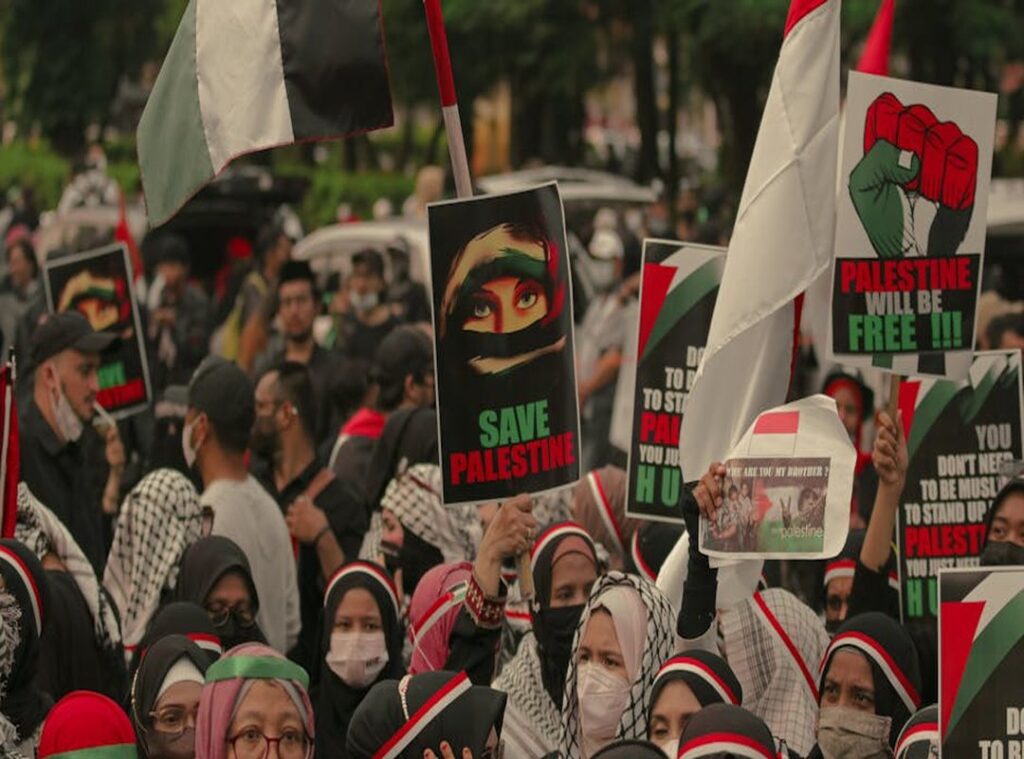
I want to talk about kartun muslimah palestin. It’s a world that’s often overlooked and underrepresented in mainstream media. Why?
Because there’s a serious lack of understanding and visibility for Palestinian Muslimah culture.
We need to change that. Authentic, culturally rich content can provide genuine insights into the lives and experiences of these artists. This article aims to introduce you to the diverse and inspiring world of kartun muslimah palestin.
Are you ready to explore something new?
Understanding the Context: The Role of Cartoons in Palestinian Culture
Cartoons have become a powerful medium for storytelling and cultural expression in Palestine. They capture the essence of daily life, struggles, and aspirations in a way that resonates with people of all ages.
Historically, Palestinian art has evolved over time, reflecting the changing social and political landscapes. From traditional forms like embroidery and calligraphy to more contemporary expressions, art has always been a way to document and share the Palestinian experience.
In recent years, cartoons have gained significant traction. They provide a platform for creative and often subtle commentary on complex issues. This is especially true for the representation of Muslimahs, who face unique challenges in a society marked by conflict and tradition.
Kartun muslimah palestin, for example, use humor and relatable characters to highlight the experiences of Muslim women. These cartoons not only entertain but also educate and raise awareness about the social and political issues they face.
Socially, these cartoons play a crucial role in bringing attention to the struggles of Palestinian Muslimahs. They humanize their stories, making them accessible and relatable to a broader audience. This can lead to greater empathy and understanding, fostering a more inclusive and supportive community.
In short, cartoons are more than just drawings. They are a vital part of the cultural fabric, providing a voice and a platform for those who might otherwise go unheard.
Meet the Artists: Notable Muslimah Cartoonists from Palestine
Let’s dive into the world of kartun muslimah palestin. These artists are not just drawing; they’re telling powerful stories.
First up, we have Leila. She grew up in a small village and started drawing as a way to express her feelings. Her style is bold and vibrant, often focusing on the daily struggles and triumphs of Palestinian women.
Then there’s Fatima. She began her journey with simple sketches but soon found her voice through more complex narratives. Her work often explores themes of identity and resilience.
These artists face unique challenges. From limited resources to societal expectations, it’s not an easy path. But their passion drives them forward.
Cultural influences play a big role. The rich history and traditions of Palestine seep into their art, making it deeply personal and relatable.
Their messages? They aim to highlight the human side of their community. To show the world that despite the hardships, there’s beauty and strength.
So, what can you do? Support these artists by sharing their work. Attend their exhibitions if you can.
And most importantly, listen to the stories they’re telling.
Themes and Messages: What Do These Cartoons Represent?

Cultural Identity: These cartoons reflect and celebrate the rich and diverse cultural identity of Palestinian Muslimahs. They showcase the unique traditions, values, and daily life experiences that make this community so vibrant.
Social Issues: The cartoons also highlight important social and political issues. Gender equality, education, and community resilience are just a few of the topics they tackle. By bringing these issues to light, the cartoons spark conversations and raise awareness.
Religious and Spiritual Elements: Religion and spirituality play a significant role in these cartoons. Islamic teachings and practices are woven into the stories, providing a deeper understanding of the faith and its impact on daily life.
Kartun muslimah palestin offer a window into a world that many might not fully understand. They help bridge gaps and foster empathy.
Understanding these themes can be incredibly valuable. It helps you connect with different perspectives and appreciate the complexities of various cultures.
If you’re interested in how technology is transforming other areas, check out how digital innovation is reshaping industrial processes.
Impact and Reach: How These Cartoons Are Making a Difference
These cartoons are reaching a global audience, and it’s not just about entertainment. They’re fostering cross-cultural understanding and empathy. People from different backgrounds can relate to the stories and characters, breaking down barriers.
Educational Value: Schools and community programs are using these cartoons to teach about Palestinian culture and history. It’s a way to make learning engaging and accessible. Kids and adults alike can learn in a fun and interactive way.
Community Engagement: The role of these cartoons in engaging and empowering the Palestinian Muslimah community is significant. Both locally and internationally, they provide a platform for voices that often go unheard.
Kartun muslimah palestin plays a key part in this. It’s not just about telling stories; it’s about giving the community a sense of pride and identity. When people see themselves represented, it makes a real difference.
Celebrating the Art and Impact of Muslimah Cartoons from Palestine
Kartun muslimah palestin play a vital role in expressing the unique experiences and perspectives of Palestinian women. These cartoons often highlight themes of resilience, identity, and daily life under challenging circumstances. They serve as a powerful medium for storytelling, offering a glimpse into the rich cultural tapestry of Palestinian society.
By sharing these stories, kartun muslimah palestin foster a deeper understanding and appreciation of the diverse and vibrant lives of Palestinian Muslimahs. This art form not only celebrates their culture but also advocates for social change and unity.
Supporting the work of Palestinian Muslimah cartoonists is essential. It helps to amplify their voices and contributes to a more inclusive and empathetic global community. Readers are encouraged to explore and engage with this meaningful art, continuing to learn about the multifaceted cultures of the Muslim world.
 Johner Keeleyowns writes the kind of device optimization techniques content that people actually send to each other. Not because it's flashy or controversial, but because it's the sort of thing where you read it and immediately think of three people who need to see it. Johner has a talent for identifying the questions that a lot of people have but haven't quite figured out how to articulate yet — and then answering them properly.
They covers a lot of ground: Device Optimization Techniques, Tech Concepts and Frameworks, Doayods Edge Computing Strategies, and plenty of adjacent territory that doesn't always get treated with the same seriousness. The consistency across all of it is a certain kind of respect for the reader. Johner doesn't assume people are stupid, and they doesn't assume they know everything either. They writes for someone who is genuinely trying to figure something out — because that's usually who's actually reading. That assumption shapes everything from how they structures an explanation to how much background they includes before getting to the point.
Beyond the practical stuff, there's something in Johner's writing that reflects a real investment in the subject — not performed enthusiasm, but the kind of sustained interest that produces insight over time. They has been paying attention to device optimization techniques long enough that they notices things a more casual observer would miss. That depth shows up in the work in ways that are hard to fake.
Johner Keeleyowns writes the kind of device optimization techniques content that people actually send to each other. Not because it's flashy or controversial, but because it's the sort of thing where you read it and immediately think of three people who need to see it. Johner has a talent for identifying the questions that a lot of people have but haven't quite figured out how to articulate yet — and then answering them properly.
They covers a lot of ground: Device Optimization Techniques, Tech Concepts and Frameworks, Doayods Edge Computing Strategies, and plenty of adjacent territory that doesn't always get treated with the same seriousness. The consistency across all of it is a certain kind of respect for the reader. Johner doesn't assume people are stupid, and they doesn't assume they know everything either. They writes for someone who is genuinely trying to figure something out — because that's usually who's actually reading. That assumption shapes everything from how they structures an explanation to how much background they includes before getting to the point.
Beyond the practical stuff, there's something in Johner's writing that reflects a real investment in the subject — not performed enthusiasm, but the kind of sustained interest that produces insight over time. They has been paying attention to device optimization techniques long enough that they notices things a more casual observer would miss. That depth shows up in the work in ways that are hard to fake.