

140 pesos mexicanos a pesos chilenos is currently worth about 8,500 CLP. That’s the real-time rate, but it can vary.
You might be planning a trip, sending money to family, or making an online purchase. Whatever your reason, getting the best value is key.
The number you see on Google isn’t always what you’ll get in your bank account. Banks and other financial institutions often have their own rates and fees.
In this guide, I’ll break down not just the current value, but also how to get the best possible rate. We’ll look at what factors influence the exchange and common mistakes to avoid. Let’s dive in.
Understanding the MXN to CLP Exchange Rate Today
An exchange rate is just a way to know how much one currency is worth in another. For example, if you have 140 pesos mexicanos a pesos chilenos, you want to know how many Chilean pesos (CLP) you’ll get.
The mid-market rate is the real exchange rate without any hidden fees. It’s what banks and transfer services use between themselves. This is the fairest rate you can get.
Let’s do a simple calculation. If the current CLP per MXN rate is 5.2 (for example), then:
140 MXN * 5.2 = 728 CLP
Here’s a small table for common amounts:
| MXN | CLP |
|---|---|
| 50 | 260 |
| 100 | 520 |
| 140 | 728 |
| 500 | 2600 |
This rate changes daily. It’s important to check a reliable source before making a transaction. You don’t want to be caught off guard by a sudden shift.
The rate you’re offered by a service will almost always be different from the mid-market rate. The difference is their profit margin. So, it pays to shop around and find the best deal.
Key Factors That Make the Mexican and Chilean Peso Value Change
Have you ever wondered why the value of a currency can swing so much? Let’s dive into what makes the Mexican and Chilean pesos tick.
First up, central banks. The Banco de México (Banxico) and the Banco Central de Chile play a big role. When they change interest rates, it affects how attractive their currencies are to investors.
Higher rates usually mean a stronger currency, and vice versa.
Economic health is another major factor. Inflation, GDP growth, and employment numbers in both countries can strengthen or weaken their respective currencies. If the economy is booming, the currency tends to do well.
If it’s struggling, the currency can take a hit.
Trade and commodities also matter, and for Mexico, oil prices are crucial. For Chile, it’s copper.
When these commodity prices rise, the peso often follows. It’s like a stock whose price changes based on the performance and outlook of its ‘company’ (the country).
Political stability and investor sentiment can’t be ignored. Uncertainty in either country can make investors nervous, leading them to sell off one currency, affecting its value against the other. Sound familiar?
So, next time you see 140 pesos mexicanos a pesos chilenos, remember it’s not just a number. It’s a reflection of all these factors working together.
How to Actually Exchange Your Pesos: Best and Worst Methods
Exchanging currency can be a hassle, but it doesn’t have to be. Let’s break down the best and worst methods. 140 pesos mexicanos
Method 1: Banks.
Banks offer security and convenience, especially if you’re already a customer. But they often have poor exchange rates and high transfer fees.
It’s like paying extra for peace of mind, which isn’t always worth it.
Method 2: Online Money Transfer Services (e.g., Wise, Remitly).
These are usually your best bet. They offer low fees and rates close to the mid-market rate.
To use them, sign up, verify your account, and initiate the transfer. Simple and effective.
Method 3: Airport Currency Exchange Kiosks, and avoid these unless it’s an emergency. The rates are terrible, and the convenience fees are high.
You’ll end up with less money in your pocket, and that’s not what anyone wants.
Method 4: Using ATMs in Chile, and this can be a good option. Just check your home bank’s foreign transaction fees first.
Always decline the ATM’s offer to convert the currency; it’s almost always a worse deal.
So, which method is typically best for saving the most money when converting 140 MXN or similar amounts? Online money transfer services. They give you the best bang for your buck, with low fees and better rates.
Stick with them for the best results.
Common and Costly Mistakes to Avoid When Exchanging Currency
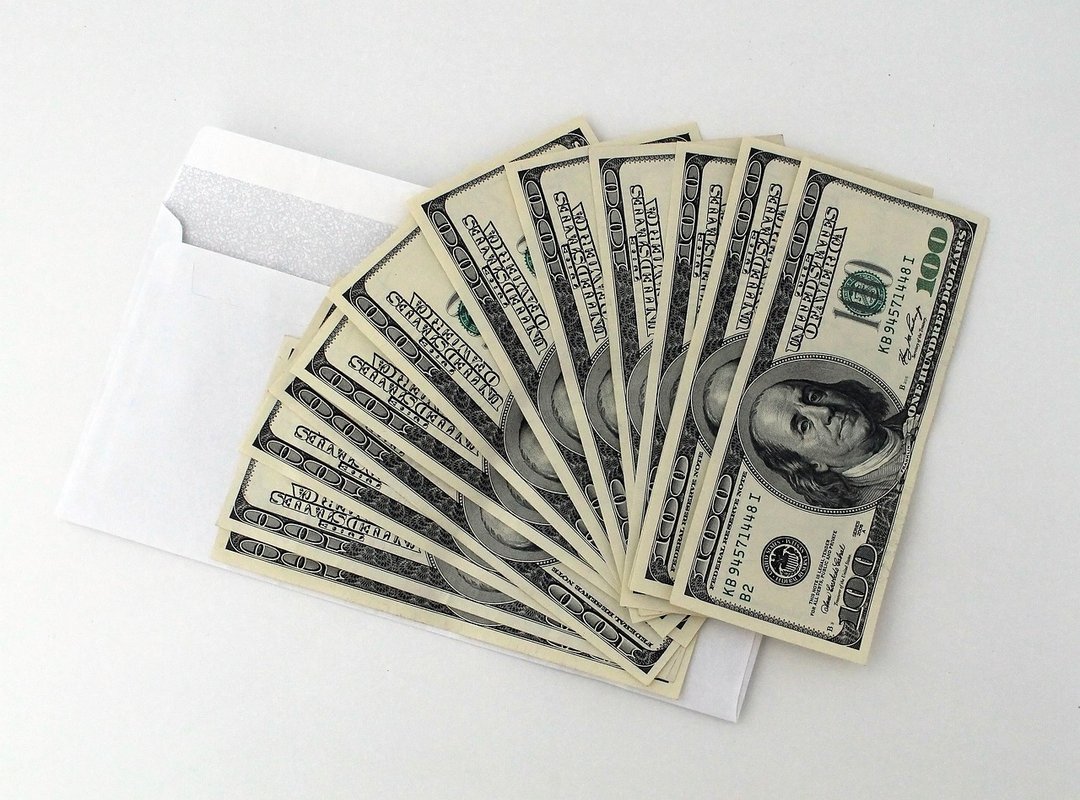
When you see ‘zero commission’ or ‘no fee’ claims, be wary. The fee is almost always hidden in a poor exchange rate. It’s like paying extra without even realizing it.
Dynamic Currency Conversion (DCC) is another trap. Always choose to pay in the local currency, like CLP, when using a card abroad. This avoids unfavorable conversion rates set by the merchant’s bank.
Trust me, it can save you a lot.
Exchanging large amounts of cash before a trip? Not a good idea. There are security risks, and you often get better rates electronically or via ATMs.
Plus, carrying a wad of cash isn’t exactly stress-free.
Always compare at least two services before making a transfer. This ensures you’re getting a competitive rate. For example, if you need to convert 140 pesos mexicanos a pesos chilenos, a quick comparison can show you the best deal.
By being aware of these common pitfalls, you can avoid unnecessary costs and make your travel budget go further.
Getting the Most Value for Your Money
The approximate current value of 140 pesos mexicanos a pesos chilenos reinforces the importance of checking the latest exchange rates. The key to saving money is to look beyond the advertised fee and compare the final amount the recipient will get. For most people, using a reputable online money transfer service offers the best balance of cost, speed, and convenience.
Before you convert, take two minutes to compare rates online—it could save you more than you think.
 Johner Keeleyowns writes the kind of device optimization techniques content that people actually send to each other. Not because it's flashy or controversial, but because it's the sort of thing where you read it and immediately think of three people who need to see it. Johner has a talent for identifying the questions that a lot of people have but haven't quite figured out how to articulate yet — and then answering them properly.
They covers a lot of ground: Device Optimization Techniques, Tech Concepts and Frameworks, Doayods Edge Computing Strategies, and plenty of adjacent territory that doesn't always get treated with the same seriousness. The consistency across all of it is a certain kind of respect for the reader. Johner doesn't assume people are stupid, and they doesn't assume they know everything either. They writes for someone who is genuinely trying to figure something out — because that's usually who's actually reading. That assumption shapes everything from how they structures an explanation to how much background they includes before getting to the point.
Beyond the practical stuff, there's something in Johner's writing that reflects a real investment in the subject — not performed enthusiasm, but the kind of sustained interest that produces insight over time. They has been paying attention to device optimization techniques long enough that they notices things a more casual observer would miss. That depth shows up in the work in ways that are hard to fake.
Johner Keeleyowns writes the kind of device optimization techniques content that people actually send to each other. Not because it's flashy or controversial, but because it's the sort of thing where you read it and immediately think of three people who need to see it. Johner has a talent for identifying the questions that a lot of people have but haven't quite figured out how to articulate yet — and then answering them properly.
They covers a lot of ground: Device Optimization Techniques, Tech Concepts and Frameworks, Doayods Edge Computing Strategies, and plenty of adjacent territory that doesn't always get treated with the same seriousness. The consistency across all of it is a certain kind of respect for the reader. Johner doesn't assume people are stupid, and they doesn't assume they know everything either. They writes for someone who is genuinely trying to figure something out — because that's usually who's actually reading. That assumption shapes everything from how they structures an explanation to how much background they includes before getting to the point.
Beyond the practical stuff, there's something in Johner's writing that reflects a real investment in the subject — not performed enthusiasm, but the kind of sustained interest that produces insight over time. They has been paying attention to device optimization techniques long enough that they notices things a more casual observer would miss. That depth shows up in the work in ways that are hard to fake.