
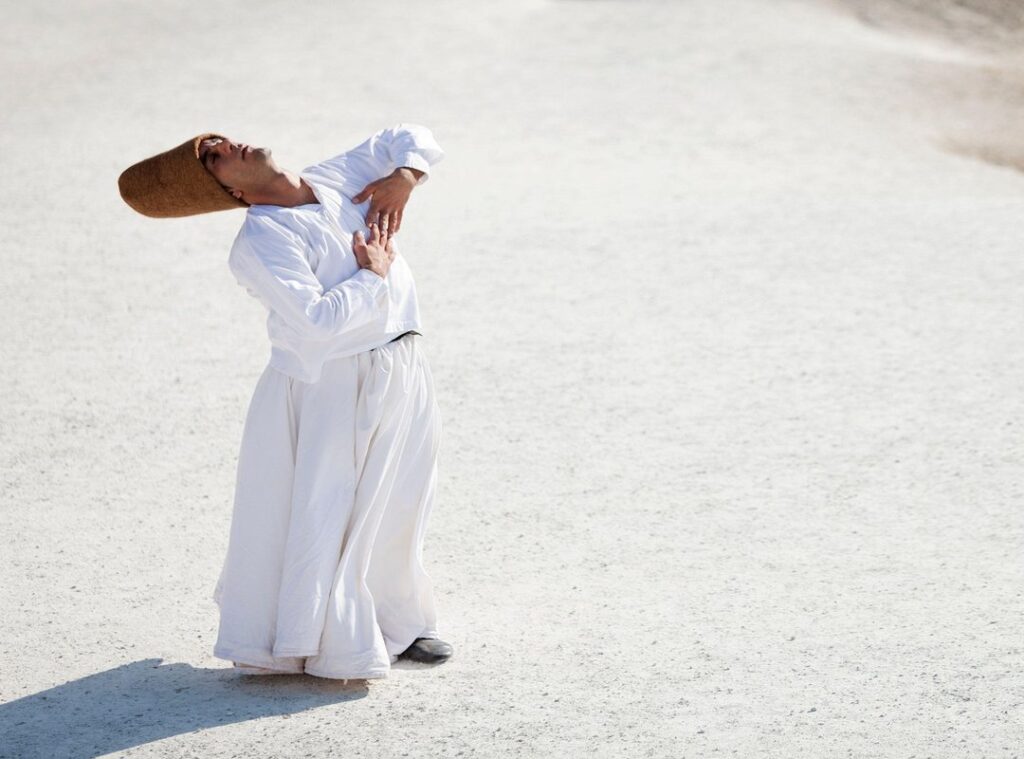
I get it. You’re up in the still of the night, seeking that profound spiritual connection. It’s a special time, isn’t it?
You’re looking for the Tahajud prayer, and you want it in both Rumi (Latin script) and the traditional Jawi script. This article is exactly what you need.
It’s a complete, easy-to-follow guide with doa tahajud rumi dan jawi. You’ll leave here with the full prayer text, its meaning, and a deeper understanding of why it matters.
The Tahajud prayer brings immense rewards and a sense of tranquility. It’s a moment to connect, to find peace, and to reflect. Let’s dive in.
What is the Tahajud Prayer and Why is it So Special?
The Tahajud prayer is a voluntary, special night prayer performed after waking up from sleep in the last third of the night. It’s a time when prayers are more likely to be answered, as many Muslims believe.
I once heard a friend say, “It’s like having a private audience with God.” That really stuck with me.
The recommended time for Tahajud is in the last third of the night. In practical terms, this means about an hour or so before the Fajr (dawn) prayer.
One of the key spiritual benefits is seeking forgiveness. It also helps in gaining closeness to God and strengthening one’s faith.
A scholar I spoke to once mentioned, “The Tahajud prayer is a way to cleanse your heart and soul.”
What makes Tahajud different from other prayers is its voluntary nature. It requires extra effort, which makes it highly virtuous.
Doa tahajud rumi dan jawi is a specific invocation used during this prayer, adding to its significance and depth.
The Complete Tahajud Prayer in Rumi (Latin Script for Easy Reading)
Tahajud is a special night prayer that many Muslims find deeply meaningful. For those who are still learning or prefer reading in the Latin alphabet, here’s the complete Tahajud prayer transcribed into Rumi.
Rabbighfir warhamni wa tawaffani muta
Wa a’fu anni zannibati
Wa j’alni min al-khulafa’i
Wa a’fu anni zannibati
Wa la tazzilni yawma tab-‘as-sadat
Breaking it down into smaller parts can make it easier to follow:
- Rabbighfir warhamni wa tawaffani muta
- Wa a’fu anni zannibati
- Wa j’alni min al-khulafa’i
- Wa a’fu anni zannibati
- Wa la tazzilni yawma tab-‘as-sadat
This version is perfect for those who are still learning the prayer or find it easier to read Romanized text. It helps you focus on the meaning and intent of each line without getting lost in unfamiliar script.
By the way, if you’re new to this, it’s really helpful to listen to an audio recitation. This ensures you capture the correct pronunciation and rhythm, which is key in any prayer.
Here’s a quick reference table to help you with the structure and meaning:
| Rumi (Latin Script) | Meaning |
|---|---|
| Rabbighfir warhamni wa tawaffani muta | O Lord, forgive me, have mercy on me, and let me die as a Muslim |
| Wa a’fu anni zannibati | And forgive my sins |
| Wa j’alni min al-khulafa’i | And make me one of Your successors |
| Wa a’fu anni zannibati | And forgive my sins |
| Wa la tazzilni yawma tab-‘as-sadat | And do not disgrace me on the Day when the secrets will be revealed |
Remember, the goal is to connect with your faith and find peace. Reciting the doa tahajud rumi dan jawi in a way that feels natural and comfortable is what matters most.
The Tahajud Prayer in Traditional Jawi (Arabic Script)

Reading the doa tahajud in its traditional Jawi or Arabic script can be a deeply meaningful experience. It connects you to the rich heritage and tradition of the prayer. Doayods
Jawi is the traditional script used for the Malay language, adding a layer of cultural significance. This version is sought after because it preserves the original form and beauty of the text.
Here’s the doa tahajud in both Rumi and Jawi scripts for easy comparison:
Rumi Version:
Allahumma inni as’aluka bi haqqi al-masih ‘alayhi salam
Jawi Version:
اللهم إني أسألك بحق المسيح عليه السلام
Seeing the prayer in its original script can enhance your spiritual connection. It allows you to appreciate the intricate details and the historical context of the words.
By reading the doa tahajud rumi dan jawi, you not only honor the traditional form but also gain a deeper understanding and appreciation of the prayer’s significance.
Understanding the Powerful Meaning Behind the Words
Let’s break down the doa tahajud rumi dan jawi and see what it really means.
First, the prayer praises God’s greatness. It’s not just about saying nice things; it’s about recognizing that everything we have comes from a higher power.
Next, it acknowledges His power. This part is crucial. It reminds us that no matter how much we plan and work, there’s a force greater than us guiding the universe.
Then, it asks for mercy and guidance. We’re admitting we need help, and we’re turning to God for that support. It’s like asking a friend for advice when you’re lost.
The prayer also seeks blessings. This isn’t just about asking for good things; it’s about hoping for the best in all aspects of life—health, wealth, and happiness.
Understanding the meaning transforms the prayer from simple recitation into a heartfelt conversation with God. It’s not just words; it’s a deep, personal exchange.
Take the concept of ‘light’ (nur). In the context of divine guidance and wisdom, it’s like a beacon showing us the way. It’s the clarity we need to make the right choices and stay on the right path.
When you understand these themes, the doa tahajud rumi dan jawi becomes more than just a ritual. It’s a powerful tool for spiritual growth and connection.
Embracing the Blessings of Your Nightly Devotion
You now have the complete Tahajud prayer in both doa tahajud rumi dan jawi. Understanding the prayer’s meaning is key to unlocking its full spiritual potential.
This knowledge equips you to perform this beautiful prayer with confidence and sincerity. May you find peace and may your prayers be accepted.
 Joseph Grimesapher has opinions about digital innovation pathways. Informed ones, backed by real experience — but opinions nonetheless, and they doesn't try to disguise them as neutral observation. They thinks a lot of what gets written about Digital Innovation Pathways, Device Optimization Techniques, Doayods Edge Computing Strategies is either too cautious to be useful or too confident to be credible, and they's work tends to sit deliberately in the space between those two failure modes.
Reading Joseph's pieces, you get the sense of someone who has thought about this stuff seriously and arrived at actual conclusions — not just collected a range of perspectives and declined to pick one. That can be uncomfortable when they lands on something you disagree with. It's also why the writing is worth engaging with. Joseph isn't interested in telling people what they want to hear. They is interested in telling them what they actually thinks, with enough reasoning behind it that you can push back if you want to. That kind of intellectual honesty is rarer than it should be.
What Joseph is best at is the moment when a familiar topic reveals something unexpected — when the conventional wisdom turns out to be slightly off, or when a small shift in framing changes everything. They finds those moments consistently, which is why they's work tends to generate real discussion rather than just passive agreement.
Joseph Grimesapher has opinions about digital innovation pathways. Informed ones, backed by real experience — but opinions nonetheless, and they doesn't try to disguise them as neutral observation. They thinks a lot of what gets written about Digital Innovation Pathways, Device Optimization Techniques, Doayods Edge Computing Strategies is either too cautious to be useful or too confident to be credible, and they's work tends to sit deliberately in the space between those two failure modes.
Reading Joseph's pieces, you get the sense of someone who has thought about this stuff seriously and arrived at actual conclusions — not just collected a range of perspectives and declined to pick one. That can be uncomfortable when they lands on something you disagree with. It's also why the writing is worth engaging with. Joseph isn't interested in telling people what they want to hear. They is interested in telling them what they actually thinks, with enough reasoning behind it that you can push back if you want to. That kind of intellectual honesty is rarer than it should be.
What Joseph is best at is the moment when a familiar topic reveals something unexpected — when the conventional wisdom turns out to be slightly off, or when a small shift in framing changes everything. They finds those moments consistently, which is why they's work tends to generate real discussion rather than just passive agreement.