
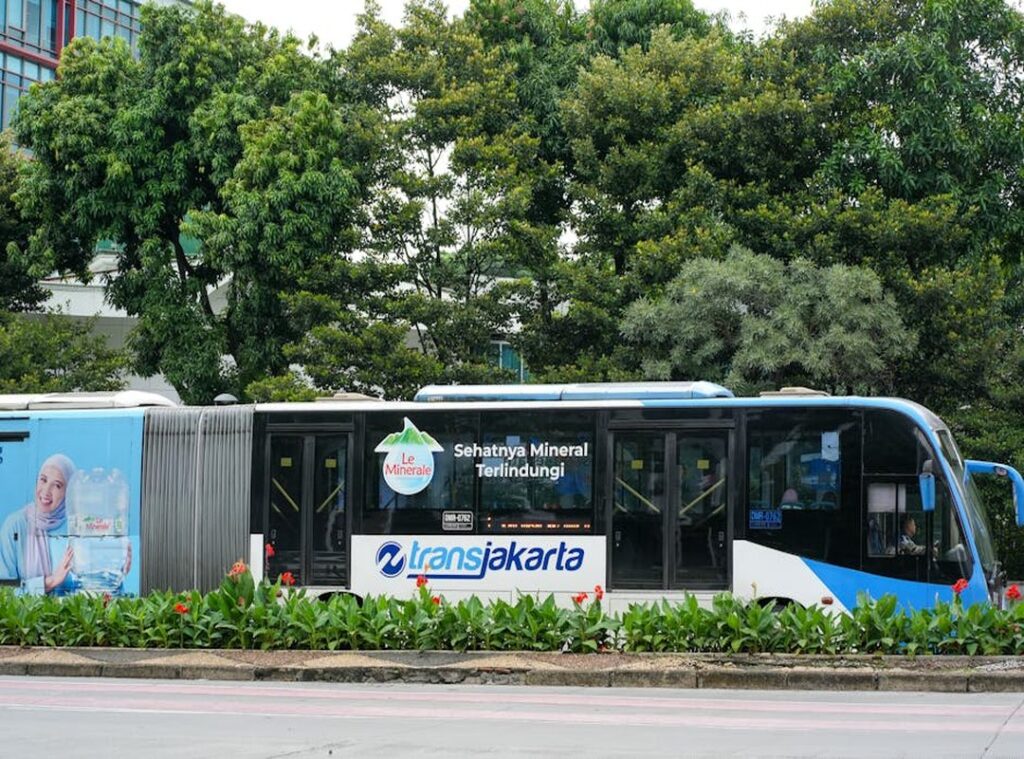
I’ve been diving deep into the world of bus simulation, and let me tell you, the current options out there just don’t cut it. Especially for the Indonesian market. The komban heavy bus simulator indonesia skin needs a serious upgrade.
We need to make it more realistic, more engaging. Why? Because drivers in Indonesia face unique challenges.
Traffic, road conditions, even the way people interact with buses—it’s all different. And the simulators should reflect that.
So, what can we do? Well, I’ve got some ideas. And I’m not just talking about tweaking a few settings.
We need to overhaul the whole thing.
This isn’t just about making a game more fun. It’s about preparing drivers for the real deal. And trust me, I’ve talked to industry pros who know their stuff.
They get it.
You might be thinking, “Why should I care?” Simple. If you’re into simulators, or if you’re training to be a bus driver, this matters. A lot.
Let’s dive in and see how we can make the komban heavy bus simulator indonesia skin the best it can be.
Understanding the Komban Heavy Bus Simulator
I’ve been checking out the Komban Heavy Bus Simulator, and it’s pretty popular among Indonesian users. It offers a realistic experience with detailed vehicle models and challenging road conditions.
The current features include a variety of bus models and different scenarios to test your driving skills. It’s no surprise that it’s gained a lot of traction in Indonesia, where buses are a big part of daily life.
However, there are some areas where the simulator falls short. For one, the vehicle models could use more variety. I mean, it’s great to have a few options, but more choices would make it even better.
Road conditions in the game can also be a bit repetitive. Sure, they’re realistic, but after a while, you start to notice the same bumps and turns over and over again. It gets a bit monotonous.
Traffic scenarios are another point of concern. The traffic patterns don’t always feel natural, and sometimes they seem a bit too predictable. This can take away from the realism that the game is aiming for.
There’s also the issue of the komban heavy bus simulator indonesia skin. While it’s a nice touch, it’s not perfect. The graphics and details could be improved to give a more authentic feel.
Overall, the Komban Heavy Bus Simulator has a lot going for it, but there’s room for improvement. By addressing these limitations, the developers could really take the game to the next level.
Design Modifications for Realistic Vehicle Models
Vehicle customization can make a huge difference in how realistic your game feels. Especially if you’re using the komban heavy bus simulator indonesia skin.
You might be wondering, where do I even start? It’s all about adding or modifying bus models to better reflect the types of buses commonly used in Indonesia.
Focus on the exterior first. Small details like the correct paint job, logos, and even the type of wheels can make a big impact.
Interior and exterior details matter. For the interior, think about the seating arrangements, dashboard design, and even small touches like the grab handles and floor mats.
These little things add up. They make the bus feel more authentic and visually appealing.
Remember, it’s not just about making it look good. It’s about making it feel real.
Enhancing Road and Traffic Conditions
When it comes to enhancing road and traffic conditions in a simulation, you’ve got two main options: modifying the road textures and layouts or adding realistic traffic patterns. Let’s break it down.
First, road types. You can tweak the textures and layouts to match the diverse road conditions found in Indonesia. Think about city streets with their smooth surfaces and clear markings, compared to rural roads that might be more rugged and less defined.
This makes the experience more authentic.
Now, traffic scenarios. Adding realistic traffic patterns is crucial. In Indonesian cities, you’ll see a mix of motorcycles, pedestrians, and other vehicles.
This adds a layer of complexity and realism to the simulation. Imagine navigating through a bustling city where you need to be aware of all these elements.
Using the komban heavy bus simulator indonesia skin can help you achieve this. It’s designed to reflect the specific conditions and traffic patterns you’d find in Indonesia.
So, which one should you focus on? Both are important, but if I had to pick, I’d say start with the traffic scenarios. Realistic traffic can make a huge difference in how immersive and challenging the simulation feels.
But don’t neglect the road types either. They set the stage for everything else.
In the end, it’s about balancing both to create a truly engaging and realistic experience.
Incorporating Local Landmarks and Environments

When you’re building a simulation, especially one like Komban Heavy Bus Simulator Indonesia, it’s all about making the experience feel real.
One way to do this is by integrating iconic landmarks and buildings from major Indonesian cities. Think about including the National Monument in Jakarta or the Taman Sari Water Castle in Yogyakarta. These landmarks give players a sense of place and make the environment more familiar.
Adding local flora, street signs, and other environmental elements is also key. Imagine seeing the vibrant greenery of Bali or the bustling streets of Surabaya. These small details can make a huge difference in how immersive the simulation feels.
But here’s the thing: creating such detailed environments isn’t just about aesthetics. It’s about making the simulation as realistic and engaging as possible.
So, how do you go about it? Well, you need to have a solid understanding of the local culture and geography. This means doing some research and maybe even consulting with locals who can provide insights into what makes each city unique.
And if you’re looking for a guide on how to develop these detailed environments, a guide to api first development and why its gaining ground can be a great resource. It offers insights into modern development strategies that can help you create more dynamic and realistic simulations.
Improving User Interface and Controls
User interfaces can make or break a game. For Indonesian players, it’s even more critical. Let’s face it, if the UI isn’t intuitive, players will drop off fast.
- Simplify the Menu Layout: Keep the main menu clean and straightforward. Players should be able to find what they need in seconds, not minutes.
- Use Clear Icons and Labels: Make sure icons and labels are easy to understand. Visuals that are too abstract can confuse new players.
- Add Contextual Help: Small tooltips or hints can go a long way. They help players understand what each button does without overwhelming them.
Now, let’s talk about controls. The driving experience in komban heavy bus simulator indonesia skin needs to feel authentic.
- Adjust Control Sensitivity: Fine-tune the sensitivity of the steering and acceleration. This makes the simulation more realistic and enjoyable.
- Customizable Control Options: Allow players to customize their control settings. Some might prefer tilt controls, while others might like touch buttons.
- Vibration Feedback: Add subtle vibration feedback for actions like braking and turning. It enhances the immersion and makes the experience more engaging.
By focusing on these improvements, you can create a more user-friendly and immersive experience. Trust me, your players will thank you.
Adding Realistic Sound Effects and Visuals
Let’s talk about making your driving sim feel like the real deal. Sound effects are a big part of that. You need those engine noises, traffic sounds, and ambient city noises to really set the scene.
- Engine Noises: The roar of the engine as you hit the gas.
- Traffic Sounds: The honking and screeching of other cars around you.
- Ambient City Noises: The bustling sounds of the city, from chattering pedestrians to distant sirens.
Visuals are just as important. High-quality graphics and visual effects can make or break the experience. Imagine driving through a beautifully rendered city with realistic lighting and detailed textures.
It’s like being in a movie, but you’re the star.
komban heavy bus simulator indonesia skin is a great example. It shows how attention to detail can transform a simple game into a fully immersive experience.
So, next time you’re tweaking your sim, remember: it’s all about the little things. They add up to make a big difference.
Elevate Your Komban Heavy Bus Simulator Experience
The key design modifications discussed, such as improved physics and enhanced graphics, are crucial for a more realistic and engaging simulation. These changes ensure that the gameplay feels authentic and immersive.
komban heavy bus simulator indonesia skin adds a unique touch, making the experience even more relatable and enjoyable.
These modifications will significantly enhance the Komban Heavy Bus Simulator, making it more enjoyable and true to life.
Apply these modifications and share your experiences with the community. Your feedback can help further refine and improve the game.
 Johner Keeleyowns writes the kind of device optimization techniques content that people actually send to each other. Not because it's flashy or controversial, but because it's the sort of thing where you read it and immediately think of three people who need to see it. Johner has a talent for identifying the questions that a lot of people have but haven't quite figured out how to articulate yet — and then answering them properly.
They covers a lot of ground: Device Optimization Techniques, Tech Concepts and Frameworks, Doayods Edge Computing Strategies, and plenty of adjacent territory that doesn't always get treated with the same seriousness. The consistency across all of it is a certain kind of respect for the reader. Johner doesn't assume people are stupid, and they doesn't assume they know everything either. They writes for someone who is genuinely trying to figure something out — because that's usually who's actually reading. That assumption shapes everything from how they structures an explanation to how much background they includes before getting to the point.
Beyond the practical stuff, there's something in Johner's writing that reflects a real investment in the subject — not performed enthusiasm, but the kind of sustained interest that produces insight over time. They has been paying attention to device optimization techniques long enough that they notices things a more casual observer would miss. That depth shows up in the work in ways that are hard to fake.
Johner Keeleyowns writes the kind of device optimization techniques content that people actually send to each other. Not because it's flashy or controversial, but because it's the sort of thing where you read it and immediately think of three people who need to see it. Johner has a talent for identifying the questions that a lot of people have but haven't quite figured out how to articulate yet — and then answering them properly.
They covers a lot of ground: Device Optimization Techniques, Tech Concepts and Frameworks, Doayods Edge Computing Strategies, and plenty of adjacent territory that doesn't always get treated with the same seriousness. The consistency across all of it is a certain kind of respect for the reader. Johner doesn't assume people are stupid, and they doesn't assume they know everything either. They writes for someone who is genuinely trying to figure something out — because that's usually who's actually reading. That assumption shapes everything from how they structures an explanation to how much background they includes before getting to the point.
Beyond the practical stuff, there's something in Johner's writing that reflects a real investment in the subject — not performed enthusiasm, but the kind of sustained interest that produces insight over time. They has been paying attention to device optimization techniques long enough that they notices things a more casual observer would miss. That depth shows up in the work in ways that are hard to fake.